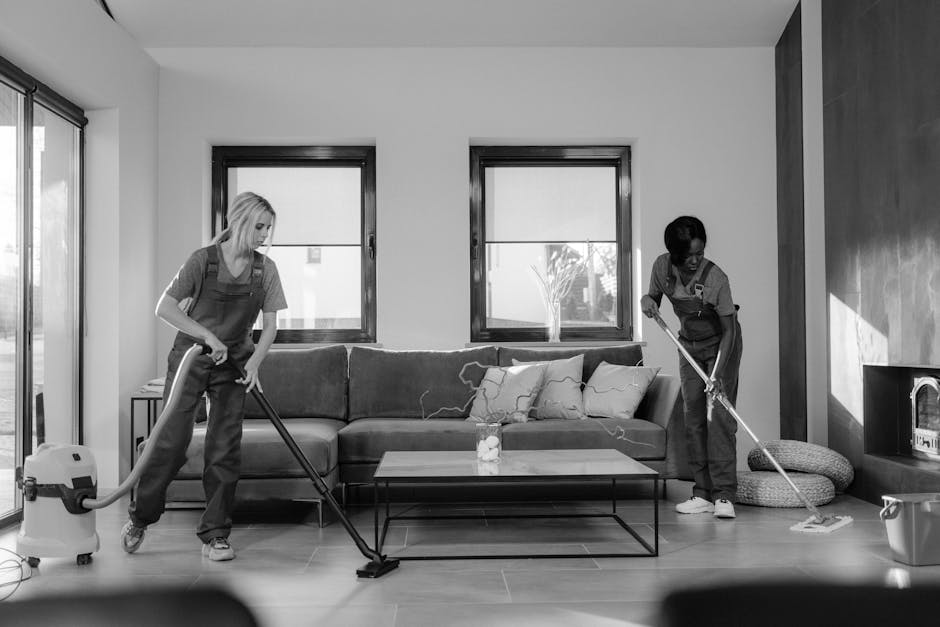
What to know about Ruislip end of tenancy cleaning costs

If you are moving out of a flat or house in Ruislip, the cleaning question tends to arrive at the worst possible time. Boxes everywhere. A van booked. Keys to hand back. And then the big one: what to know about Ruislip end of tenancy cleaning costs, and whether it is actually worth paying for a professional service at all.
Truth be told, this is one of those costs that feels simple until you look closely. Pricing can shift depending on the size of the property, the condition it is left in, the level of detail needed, and whether extras like ovens, carpets, or inside cupboards are included. A good clean can protect your deposit, reduce stress, and save a last-minute scramble. A poor one can do the opposite. Let's unpack the real-world stuff, without the fluff.
- Why the cost matters
- How end of tenancy cleaning costs are worked out
- Key benefits and practical advantages
- Who this is for and when it makes sense
- Step-by-step guidance
- Expert tips for better results
- Common mistakes to avoid
- Tools, resources and recommendations
- Law, compliance, standards, or best practice
- Options and comparison
- Case study or real-world example
- Practical checklist
- Conclusion
- Frequently asked questions
Why What to know about Ruislip end of tenancy cleaning costs Matters
End of tenancy cleaning is not just a "nice to have" before moving out. For most renters, it sits right in the middle of three things that matter a lot: getting the property back to the right standard, avoiding deductions, and managing the moving-day pressure that seems to multiply by the hour.
In Ruislip, as in much of London, tenants often move from properties that have seen a lot of normal day-to-day use: busy kitchens, limescale in bathrooms, skirting boards that collect dust, and ovens that somehow get dirtier during the final week, not cleaner. That is exactly why understanding the cost matters. It helps you budget properly, decide whether DIY is realistic, and compare quotes without guessing.
There is also a timing issue. If you leave cleaning decisions too late, you may end up paying more for an urgent booking, a same-week slot, or extra work caused by neglecting the worst areas. And to be fair, a rushed clean rarely feels calm. You can hear it in the way people speak when they are mopping at 10 pm the night before checkout.
Knowing the cost structure gives you control. That is the main point. Not perfection. Control.
How What to know about Ruislip end of tenancy cleaning costs Works
Most end of tenancy cleaning quotes are based on a few practical factors rather than a single flat rate. The cleaner or company will usually look at the property type, the number of rooms, the condition of the home, and any add-ons you need. Some providers offer a fixed quote after a short consultation. Others price more dynamically, especially if the property looks like it needs extra attention.
Here is the simple version: the more time, labour, and specialist work required, the higher the cost is likely to be. That does not mean you should automatically choose the cheapest option. A low quote can look tempting, but if it excludes the oven, ignores internal windows, or leaves bathrooms half-done, it may not help when the inventory check happens.
In our experience, the best quotes are the ones that clearly explain what is included. You want to know whether the service covers the full property, whether appliances are deep-cleaned, and whether the company brings its own equipment and products. Transparency matters more than a flashy headline price. It always does.
For a broader sense of how services are structured, some people also compare end of tenancy work with a broader deep cleaning visit or a more targeted move out cleaning package. The wording can differ, but the practical goal is the same: hand back a property in a condition that meets reasonable expectations.
Key Benefits and Practical Advantages
The obvious benefit is cleaner results. But the real value is a little broader than that. A proper end of tenancy clean can reduce friction with landlords, letting agents, and inventory clerks. It can also save you the stress of doing a heavy clean while trying to organise removals, childcare, work, and the rest of real life.
Here are the main advantages people usually care about:
- Better chance of a smooth check-out: A thorough clean helps the property meet the usual handover standard.
- Less last-minute pressure: You are not scrubbing bathrooms while the removal team waits outside.
- Clearer budgeting: Once you know what affects the cost, you can plan for it instead of being surprised.
- Professional equipment and products: Good cleaners often bring stronger tools than most households have at home.
- More consistent results: The work is usually structured room by room, which helps avoid missed details.
There is also a practical emotional benefit, if that makes sense. Moving out can feel oddly disorganised even when everything is going well. Having one major task handled properly can steady the whole process. Little thing, big difference.
And yes, sometimes people ask whether they can do it themselves. Of course they can. But when the property has a lot of built-up grime, pet hair, or stubborn oven grease, a professional visit often turns out to be the less stressful route. Your back will thank you too, probably by the end of the first bathroom.
Who This Is For and When It Makes Sense
This matters for anyone leaving a rented home in Ruislip, but the decision is not the same for everyone. A student moving out of a compact flat, a family leaving a three-bed house, and a landlord preparing for new tenants all have different needs.
You are likely to benefit most if any of the following sound familiar:
- You want a professional finish without spending your final week cleaning.
- The property has visible wear in kitchens, bathrooms, or carpets.
- You know the inventory check will be strict.
- The move-out date and handover time are close together.
- You are juggling work, school runs, or transport logistics across West London.
It can also make sense if you have already cleaned but want a final specialist pass on the areas that matter most: oven, limescale, skirting boards, internal glass, and high-touch surfaces. A lot of people do a decent general clean and then bring in help for the stubborn parts. That is not overkill; it is often just sensible.
For landlords or agents, a reliable finish helps reduce turnaround time between tenancies. For tenants, it can reduce the chance of that awkward email asking why a deposit deduction has appeared. Nobody enjoys that email. Nobody.
Step-by-Step Guidance
If you want to understand costs properly, it helps to break the process down rather than treat it like a mysterious quote from nowhere. Here is the practical version.
- Assess the property size. One-bedroom flats cost less to clean than larger houses because the labour and time required are lower.
- Look at the condition honestly. If the kitchen has heavy grease or the bathroom has limescale, the job may take longer.
- Check what is included. Some quotes cover the whole property; others only include certain rooms or surfaces.
- Ask about extras. Carpet cleaning, upholstery, oven cleaning, and mattress cleaning may be priced separately.
- Compare like for like. Two quotes are only comparable if they include the same scope of work.
- Schedule with moving day in mind. Cleaning should usually happen after furniture removal and before final inspection.
- Keep evidence. Photos and a written agreement help if you need to show the property was cleaned properly.
That last point is often overlooked. A quick set of photos on your phone can be useful if there is ever a question later. Nothing fancy. Just a record.
If you are preparing multiple jobs around the same time, pairing your clean with a broader domestic cleaning or even a one-off reset through one-off cleaning can make the whole transition less chaotic. One job finished properly beats five half-finished ones, every time.
Expert Tips for Better Results
Here is where the small details really start to matter. A few sensible choices can make the final bill easier to understand and the outcome more reliable.
- Book early if you can. Late bookings can be more expensive, and availability gets tighter near month-end.
- Be specific about problem areas. Mention ovens, marks on walls, pet hair, or scale build-up before the job starts.
- Don't hide the condition. It is better to be upfront than to be surprised by a revised quote later.
- Prepare the property before the clean. Removing personal belongings and rubbish helps the team work efficiently.
- Ask what happens if standards are missed. Re-clean policies can be reassuring, but only if you know the terms in advance.
A practical tip from the field: if the kitchen is the worst room, say so first. Kitchens often take the longest. Grease doesn't care that you are moving tomorrow. It just sits there, smugly, on top of the extractor fan.
Also, if you are comparing providers, look for clear service descriptions rather than just "cheap" or "fast." Those words can hide a lot. A decent quote should tell you what level of detail to expect in bathrooms, appliances, cupboards, and glass.
If you need specialist help for stubborn residue or furniture-related marks, services such as stain removal, oven cleaning, or carpet cleaning can be worth adding if they are genuinely needed. Not every property needs every extra. Pick what solves the real problem.
Common Mistakes to Avoid
A lot of avoidable cost issues come from small misunderstandings. Nothing dramatic. Just the usual moving-out chaos doing its thing.
- Choosing on price alone. Cheapest is rarely best if the scope is unclear.
- Forgetting extras. An oven, fridge, freezer, and carpets can change the quote quite a bit.
- Leaving cleaning too late. Same-day panic usually costs more and feels worse.
- Not reading the service details. "Full clean" can mean different things to different companies.
- Assuming tenancy standards are identical everywhere. They are not. Always check your agreement and inspection expectations.
- Cleaning before all belongings are out. It is much harder to clean properly around boxes and furniture.
There is a subtle one too: people sometimes clean to what they personally would accept, not to what a landlord or inventory report may compare against. Those are not always the same standard. A room can look tidy and still need a proper final pass on edges, switches, and behind appliances.
Another common issue is underestimating bathrooms. They look small, so people think they will be quick. Then you spot soap scum, grout marks, taps, mirrors, extractor fans, and the whole thing starts stretching out like it has its own agenda.
Tools, Resources and Recommendations
You do not need a warehouse of specialist gear to make informed decisions, but a few tools and a bit of organisation go a long way.
- Room-by-room checklist: Useful for checking quotes and checking the finished work.
- Phone camera: Before-and-after photos are simple and often enough.
- Measured understanding of the quote: Ask for a written breakdown of what is covered.
- Calendar reminders: Handy if you need the clean to happen after removals and before inventory.
- Property inventory notes: If you have a check-in report, it helps to know what the property looked like when you moved in.
For readers wanting to compare related cleaning types, it can also help to look at move in cleaning if you are on the other side of the move and preparing a fresh home, or regular cleaning if you want to avoid building up the kind of dirt that makes end-of-tenancy jobs more expensive later. Prevention, annoyingly, does work.
If sustainability matters to you, it is reasonable to ask how products are chosen and whether waste is handled responsibly. A good provider should be able to explain practical steps without making a song and dance about it. You can also check the company's recycling and sustainability approach if that is part of your decision-making.
Law, Compliance, Standards, or Best Practice
End of tenancy cleaning is not usually about a single fixed legal rule so much as meeting the practical standard required by the tenancy agreement, the property's condition report, and normal expectations for handover. That means it is wise to treat the tenancy paperwork as the main reference point.
In the UK, deposit deductions are commonly argued over cleaning and condition, so the safest route is to keep things documented and make sure the property is returned as agreed. If there is a deposit protection scheme involved, the evidence you keep can matter if a dispute ever arises. We are not talking theory here; this is just sensible practice.
From a safety and compliance perspective, it is also worth checking whether the cleaning provider works with proper insurance and sensible operating practices. This is especially relevant if they are using machinery, access equipment, or strong cleaning chemicals. A company that is clear about insurance and safety is usually signalling that it takes its work seriously.
Good practice also includes respectful treatment of the property. That sounds obvious, but in the rush of a move it can be overlooked. Cover delicate surfaces, avoid damage, and make sure water, heat, and products are used appropriately. If you are the tenant, keep the tenancy terms and any inventory notes close to hand. If you are the landlord, be clear about expectations before the work begins. Simple, but important.
Options, Methods, or Comparison Table
When people ask about costs, they are often really asking which route gives the best value. Here is a practical comparison of the most common approaches.
| Option | Best for | Pros | Watch-outs |
|---|---|---|---|
| DIY clean | Smaller, lightly used properties | Lowest direct cost, full control | Time-consuming, easy to miss detail, can be exhausting |
| Basic professional clean | Properties in decent condition | Faster, more consistent, less stress | May not include deep appliances or specialist extras |
| Full end of tenancy clean | Most rented homes | Best balance of detail and convenience | Higher upfront cost than DIY |
| End of tenancy plus extras | Homes with carpets, ovens, upholstery, or stain issues | More complete finish, better for tricky properties | Add-on services increase the total price |
What matters here is not just the price tag. It is the result relative to your situation. A small studio might only need a straightforward visit. A larger family home with pets, carpets, and a tired kitchen might need a more thorough package. Different job, different answer. That is fair enough.
If you are not sure where your property fits, you can start by reviewing the company's general pricing and quotes information and then asking for a tailored estimate. A quote that reflects the actual property is more useful than a generic guess.
Case Study or Real-World Example
Picture a two-bedroom flat in Ruislip at the end of a tenancy. The tenants have already moved most things out, but the kitchen has a stubborn oven, the bathroom has limescale around taps, and the living room carpets show traffic wear from a couple of years of daily use.
They could try to handle everything themselves over a weekend. Plenty of people do. But once the appliances are pulled forward and the skirting boards are checked properly, the job becomes longer than expected. By late afternoon, the bathroom is done, the kitchen is half-finished, and the whole place smells faintly of cleaning spray and tiredness. Familiar scene, honestly.
Instead, they book a professional end of tenancy clean with clear add-ons for the oven and carpets. The key decision was not just spending money. It was paying for structure. The cleaners arrive with proper tools, work through the property methodically, and leave the flat in a much better condition for check-out.
The lesson is simple: the right service depends on the actual condition of the home, not just the postcode or the number of rooms. In a place like Ruislip, where property types vary from compact flats to larger family houses, the differences in price usually reflect the real work involved. That is a much more useful way to think about it.
If you are researching the local area more broadly, you may also find it useful to read about the housing context in Ruislip housing market trends or general local insight in should you move to Ruislip. They are not cleaning guides, of course, but they can help frame how people move in and out of the area.
Practical Checklist
Use this checklist before you book and before the final clean. It keeps the process calmer than most moving days deserve.
- Confirm the property type and number of rooms.
- List any extras needed, such as oven, carpet, or upholstery cleaning.
- Check what the quote includes and excludes.
- Ask whether products and equipment are supplied.
- Remove belongings and rubbish before the clean.
- Take photos of key areas before work begins.
- Make sure access arrangements are clear.
- Review your tenancy agreement or inventory notes.
- Keep the final invoice or booking confirmation.
- Inspect the property after the clean, ideally while there is still time to raise any issues.
Quick expert summary: the best value is not always the cheapest quote. It is the quote that matches the actual work needed, includes the right extras, and gives you enough confidence to hand the keys back without worrying. That is really the heart of it.
Conclusion
What to know about Ruislip end of tenancy cleaning costs comes down to a few practical truths. Size matters. Condition matters. Extras matter. And clarity matters most of all. If you compare quotes properly, check what is included, and plan the clean around the move itself, you will usually get a far better result for your money.
For many renters, a professional clean is less about luxury and more about reducing risk. It helps protect the deposit, saves time, and makes the final handover feel more manageable. For landlords and agents, it speeds up re-letting and helps keep standards consistent. Everyone wins a little, which is rare enough in moving house.
So if you are weighing the cost right now, focus on the actual condition of the property, the level of detail you need, and the peace of mind that comes with a thorough finish. You do not need perfection. Just a clean, fair, well-handled handover. That is the goal.
Get a free quote today and see how much you can save.
Frequently Asked Questions
How much does end of tenancy cleaning cost in Ruislip?
The cost usually depends on property size, condition, and any extras needed. A small flat in decent condition will generally cost less than a larger home that needs deep attention in the kitchen, bathroom, or carpets. The best way to judge value is to compare detailed quotes, not just headline prices.
What is usually included in an end of tenancy clean?
A standard service often includes cleaning kitchens, bathrooms, living areas, bedrooms, floors, skirting boards, surfaces, and internal fixtures. Some providers also clean inside cupboards, appliances, and hard-to-reach areas. Always check the quote carefully, because not every service includes the same scope.
Are oven and carpet cleaning included in the price?
Sometimes, but not always. These are commonly treated as extras because they take specialist time and equipment. If your tenancy agreement expects them to be cleaned, ask for them to be itemised in the quote so there are no surprises later.
Is professional cleaning worth it before moving out?
Often, yes. If the property has built-up dirt, you are short on time, or you want a better chance of avoiding deposit disputes, professional cleaning can be a sensible investment. It is especially useful when the move itself is already complicated and you do not want to spend the last day scrubbing grout.
Can I do the end of tenancy clean myself?
Yes, you can. Plenty of tenants do. But DIY cleaning can become time-consuming, especially if the property needs a deep clean or if you have to handle ovens, carpets, and bathrooms properly. If you do it yourself, make sure you leave enough time and use the right products.
When should I book end of tenancy cleaning?
Ideally, book as soon as your move-out date is confirmed. The clean is usually easiest after furniture and personal items have been removed, but before the final inspection or key handover. Leaving it too late can limit availability and push up the cost.
What affects the final cleaning quote the most?
The biggest factors are property size, level of dirt, number of rooms, and extras such as oven or carpet cleaning. Access can also matter. If the cleaners have to work around obstacles, or if the property needs more time than expected, the quote may increase.
Do I need a receipt or proof of cleaning?
It is sensible to keep a receipt, invoice, or booking confirmation. Photos can also help if there is ever a dispute. While proof does not guarantee a deposit return, it shows the property was professionally attended to and can support your position if questions arise.
What if the landlord says the property is not clean enough?
If that happens, check the tenancy agreement, your inventory notes, and any photos you took before and after the clean. If the cleaner offered a re-clean guarantee, contact them quickly and follow the stated process. The important thing is to keep calm and deal with the facts rather than guesswork.
Can end of tenancy cleaning help avoid deposit deductions?
It can help, yes, especially if cleaning is one of the main issues in the final inspection. Nothing can guarantee a full deposit return, because other factors may be involved, but a thorough clean does reduce the risk of deductions linked to neglect or poor handover condition.
How do I know if a quote is fair?
A fair quote should be clear, itemised where necessary, and tailored to the property. If a price seems very low, check exactly what it covers. If it seems very high, ask what additional work is included. Fairness is easier to judge when you compare similar scopes of work side by side.
Where can I find more information about cleaning services in Ruislip?
You can review the service pages and company information on the site, including end of tenancy cleaning, about us, and contact us if you need to ask a direct question. If you want broader service options, you can also look at house cleaning for ongoing domestic support.